Go to Lisbon in August and you'll queue for a pastel de nata behind thirty other people, then stalk the cafés for a table with a plug. Go in late October and you can carry the same pastry to a shaded square, open the laptop, and get three solid hours of work done before lunch.
Shoulder season — broadly late September to mid-November, and April to early June — is the sweet spot for anyone working remotely from Europe. Days are usually mild rather than punishing, monthly rentals get easier to negotiate, and the tourist squeeze loosens just enough that ordinary life resumes. Here are the bases worth building a season around.
Why the edges of the season beat the middle
Southern Europe's July and August are genuinely hard to work through. Offices rely on air conditioning, pavements radiate heat until midnight, and half the city is either on holiday or serving the people who are. January and February swing the other way: cheap, but dark by half five and often damp.
Spring and autumn sit in between. You get daylight, mild temperatures, and a better shot at a monthly discount because landlords would rather have you than an empty flat. Co-working spaces are calmer too, and desks are easier to book.
The real test of a shoulder-season base is simple: can you work comfortably from nine until three, and still want to walk somewhere at seven?
It cuts both ways, though. Some coastal businesses close entirely, ferry timetables thin out, and evenings can turn cool quickly. Pack layers, and check the heating situation before you commit.
Lisbon and Porto, Portugal
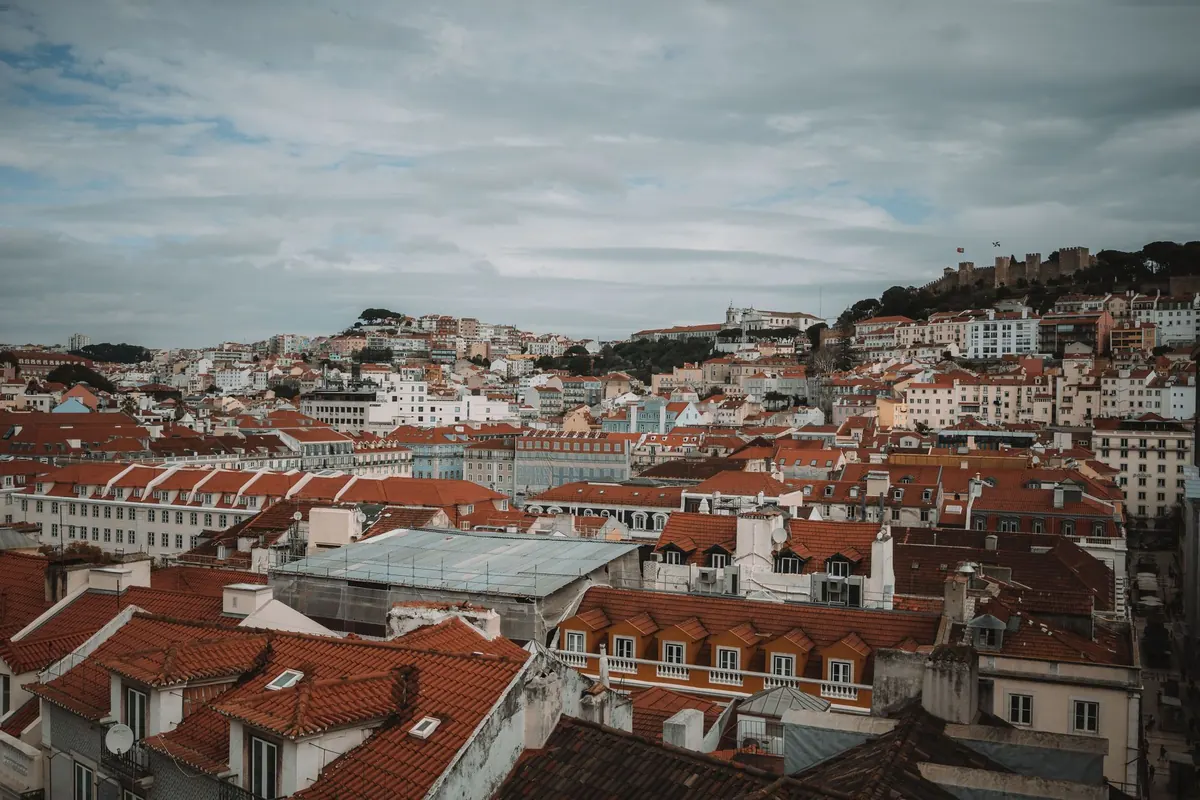
Lisbon's best window is mid-September to early November, when the summer crowds thin but the light stays generous. Spring is a close second — March can be wet, April and May are lovely. Fibre broadband is common, cafés are laptop-friendly, and there's a mature co-working scene.
Where to look
Príncipe Real, Estrela and Graça are pleasant but no longer cheap. For value, look at Arroios and Alameda, or cross the river to Almada and commute by ferry — a strange, wonderful way to start a working day. Porto is smaller, rainier and cheaper, and suits a two-month stint better than a quick stop. The train between the two takes about three hours.
Valencia and Málaga, Spain
Valencia in October still allows a swim after work, and the Turia park gives you a green run through the middle of the city. Ruzafa and El Carmen are the café-dense neighbourhoods. Málaga is the stronger spring pick: warm afternoons, cool evenings, walkable centre and decent connectivity. February there can be grey and windy, so aim for March onwards.
One practical adjustment: Spain runs late. Lunch at half two, dinner at ten. That's brilliant if you're overlapping with American clients and awkward if you're on Sydney hours. Plan your calls before you plan your evenings.
Split and the Dalmatian coast, Croatia
After mid-September, Split gets its locals back. The Riva becomes walkable, the ferry queues fade, and the Adriatic is still warm enough for a swim before your first meeting of the day. October is arguably the city's best month. Spring works too, though May is busier than you'd expect.
Two caveats worth checking before you book. Island ferry schedules shrink from late October, and some island connections stop altogether. Plenty of restaurants and rental agencies in Hvar or Brač shut until spring. Message your host directly and ask what stays open in November.
Athens, Greece
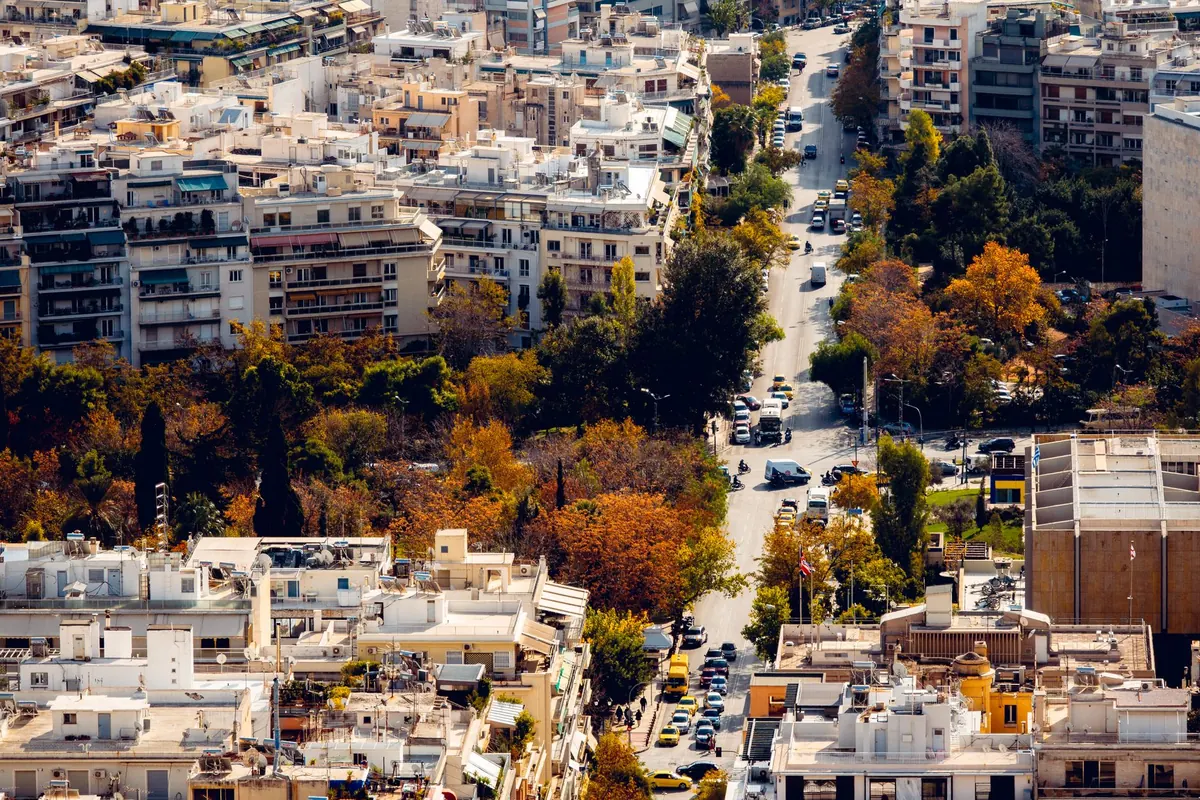
Autumn is the one to target here. October and November bring mild days and genuinely pleasant evenings in Koukaki, Pangrati and Exarchia, with rents dipping outside peak summer. Spring runs it close — March is cool, April and May are close to perfect.
Bear in mind that many island businesses close for winter. If island hopping matters to you, do it in early autumn rather than late, and check sailings before you build a plan around them. Athens itself hums year-round.
Budapest, Hungary
Crisp autumn days, thermal baths after work, and ruin bars that stay lively once the summer crowds have gone. Budapest is affordable by western European standards, has fast fibre and a long-established co-working scene. Spring is equally good, and April is one of the prettiest months in central Europe.
Winter is the trade-off: grey, short on daylight, and colder than the postcard suggests. If dark afternoons drag your mood down, think about whether a northern winter is the right call for you — and speak to a health professional rather than trying to gut it out.
Palermo, Sicily
Autumn stretches into November here, with warm afternoons and markets still in full swing. Spring arrives early, which makes it a good February escape if you can tolerate a few wet days. Be realistic about the practicalities: internet in older apartment blocks can be patchy, so ask for a screenshot of a speed test before you pay a deposit.
Also budget for heating. Sicilian flats are designed to keep heat out, not in, and a cool November evening indoors can feel colder than the temperature suggests.
Planning a shoulder-season base
- Book a month, not three. Shoulder-season rates make it easier to test a city before committing to the whole season.
- Ask about heating as well as air conditioning. In October and April, a cold flat is the thing most likely to ruin your stay.
- Get proof of the connection. Ask for a speed test screenshot, and confirm whether it's fibre or a mobile router.
- Check off-season timetables. Ferries, regional buses and island routes often reduce service right when you arrive.
- Ask what closes. Restaurants, gyms and co-working spaces take seasonal breaks too.
- Watch your visa clock. Non-EU passport holders in the Schengen area are usually limited to 90 days in any 180-day period. The counting is fiddly, so check official guidance or speak to an immigration adviser.
- Think about tax before you assume anything. Staying somewhere for months can create obligations. Take professional advice rather than relying on forums.
If you can, pick two cities for a season rather than five. A month in Lisbon in October followed by a month in Valencia in November beats a rushed tour of eight capitals, and it costs less. The measure of a good base isn't how many photos you take. It's whether you can work properly, eat well, and still fancy a walk when the day's calls are done.
Photo: Alex Does Pictures / Pexels